
Start with the load and the task
Access equipment is often chosen by habit: whatever the site used last time. A better approach starts with two questions. Is the main job moving materials up, or putting people at height to work? And how long will the work last at each position? Lifting ducting into a ceiling void, repainting a facade and replacing warehouse lighting each point to different equipment.
When the task is mainly raising heavy items such as air-conditioning ducts, pipes or ceiling boards into position, portable lifting units for ducting and panels let one or two workers place loads without improvised ropes or ladders. These units are manually or electrically operated, fold for transport, and carry a maximum rated load and height that should never be exceeded.
Material lifts: what to check before use
Inspect the base, outriggers and wheels, and make sure the floor can bear the combined weight of lift and load. Confirm the cable or winch is in good condition and the brake holds. Keep people clear of the area beneath a raised load, and lower it fully before moving the unit. Training does not need to be long, but it should be documented. Check the load chart printed on the unit rather than relying on memory, since similar looking models can have quite different limits.
Guidance from Britain’s Health and Safety Executive guidance on work at height sets out a simple hierarchy: avoid work at height where possible, prevent falls where it cannot be avoided, and minimise the consequences where risk remains. A material lift often supports the first step by keeping workers on the ground while the load goes up.
MEWPs for people working at height
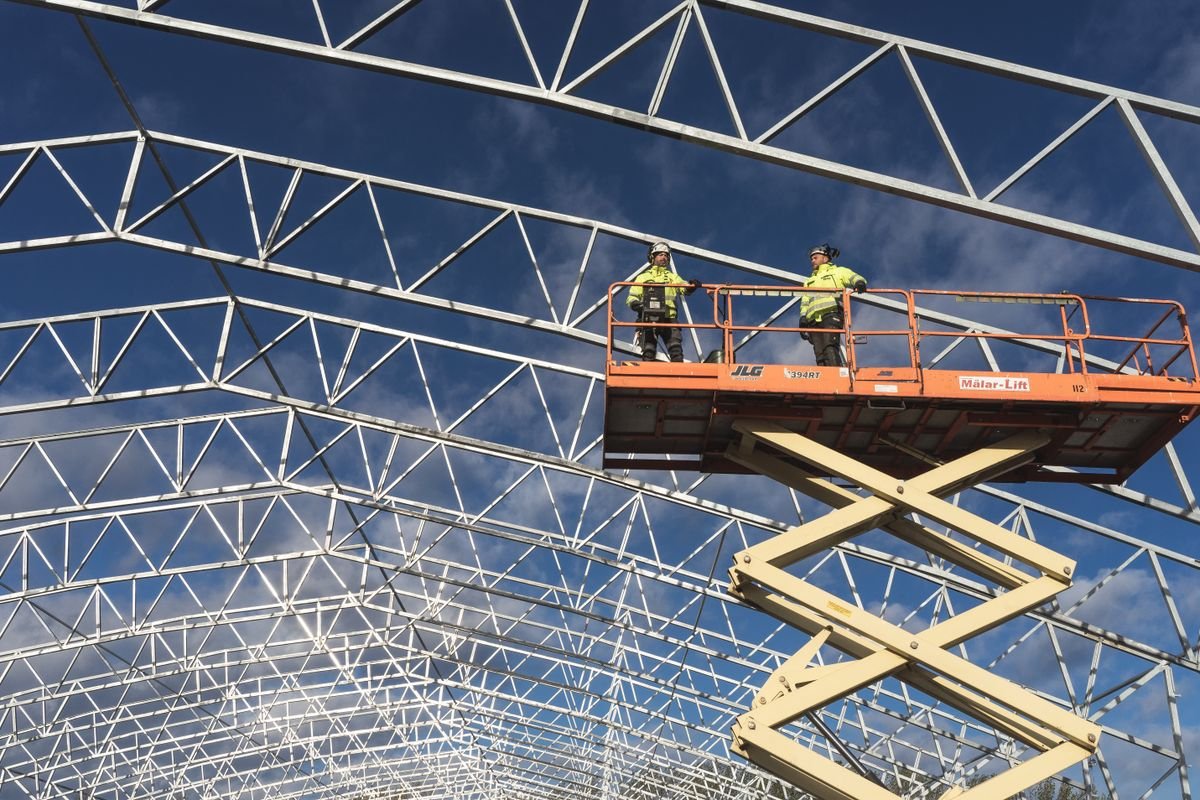
Mobile elevating work platforms, including scissor lifts and booms, carry workers and their tools to height on a guarded platform. Scissor lifts suit flat, firm floors and straight vertical reach, such as ceiling work in malls and factories. Booms reach up and over obstacles such as plant rooms, canopies or parked machinery. Each machine has a rated platform capacity covering people, tools and materials combined. Ground conditions deserve a walk round before the machine arrives: look for trenches, soft ground, overhead cables and slab edges that could tip a platform.
Comparing elevating work platform categories side by side helps match reach, platform size and power source to the site. Battery units are quieter and suit indoor work, while diesel models handle rough ground outdoors. Operators should complete recognised training, carry out pre-use checks every shift, and wear a harness where the machine type requires it.
A short IPAF safety clip on carrying out a pre-use inspection before operating a platform.
Mobile scaffold towers for longer tasks
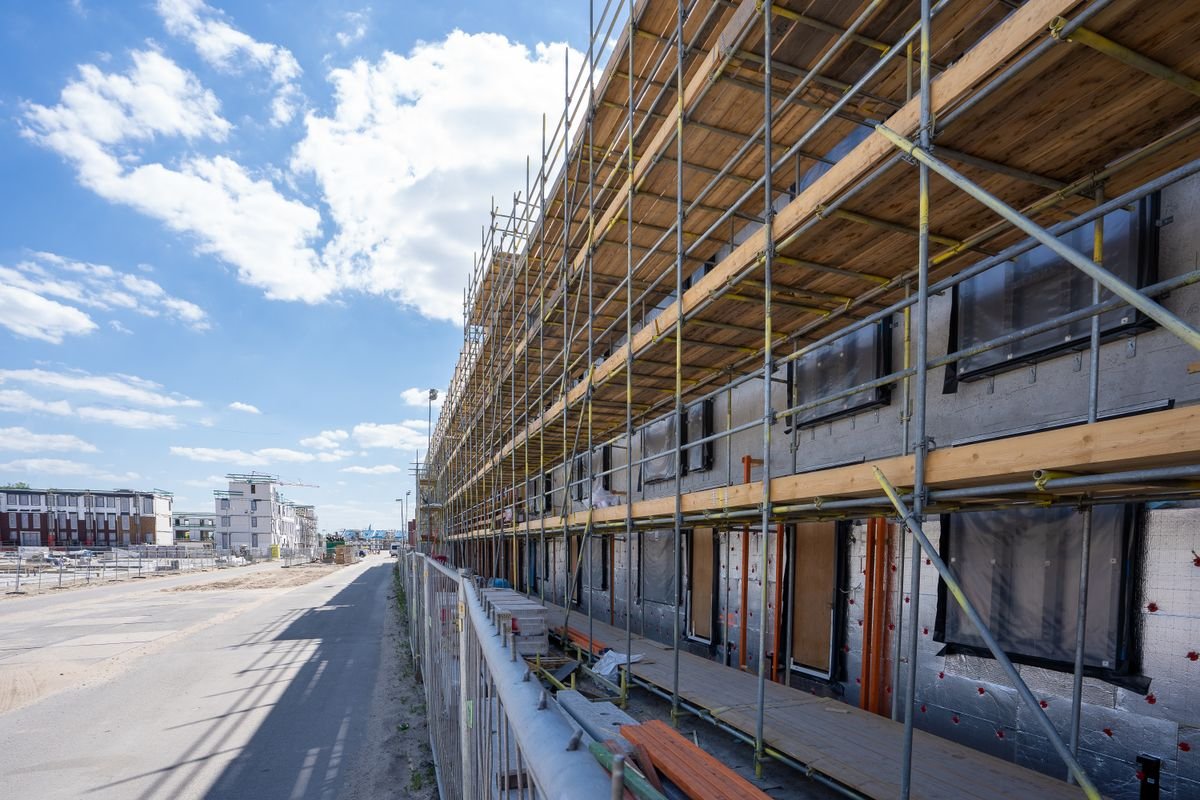
When a job needs a stable working platform at the same position for hours or days, a mobile aluminium tower is often more practical than a powered platform. Towers are light, quick to assemble, and can be moved between positions once the platform is clear. They must be built exactly as the manufacturer’s instructions describe, with guardrails, toe boards and stabilisers fitted.
Sites that need aluminium tower systems for rent or purchase should also plan inspections after assembly, after any alteration and at regular intervals. The UK tower association PASMA offers guidance and training on safe tower use, and its principles mirror what local safety officers expect to see on a well run site.
Bringing the plan together on Malaysian sites
Many projects use all three types: a material lift for services installation, a scissor lift for ceiling fit-out, and towers for finishing work. Under Malaysia’s occupational safety framework, employers must assess risks and provide suitable equipment and training. Providers such as NIOSH Malaysia run courses on working at height for supervisors and operators. Match the tool to the task, check it every day, and keep records. Those habits prevent more accidents than any single piece of equipment.