
From paper tickets to plate reads
Not long ago, parking in a Malaysian mall meant pulling a paper ticket at the barrier, losing it somewhere in the car, and queuing at a pay machine that only took coins. Many car parks now work very differently. You drive up, a camera reads your number plate, the barrier lifts, and when you leave the fee is deducted from an e-wallet or card without you touching anything. It feels like a small convenience, but behind it sits a fairly involved system of cameras, software, sensors and people.
If you manage a building, sit on a residential committee, or are just curious why some car parks feel smoother than others, it helps to understand the moving parts.
What actually happens at the entry lane
The core technology is automatic number plate recognition, often called ANPR or LPR. A camera at the lane captures an image of the plate, software isolates the characters, and the system turns them into text that can be matched against a database. The general explainer on number plate recognition covers the stages in more detail, including why lighting, dirty plates and unusual fonts cause misreads.
Once the plate is read, the system logs an entry time. Season pass holders are recognised and let through. Visitors are tracked until exit, when the duration is calculated and payment is taken through a linked wallet, a tap card or an app. In setups like these, often described as cashless, plate-reading car park systems, there may be no ticket at all, and the barrier is controlled entirely by the software decision.
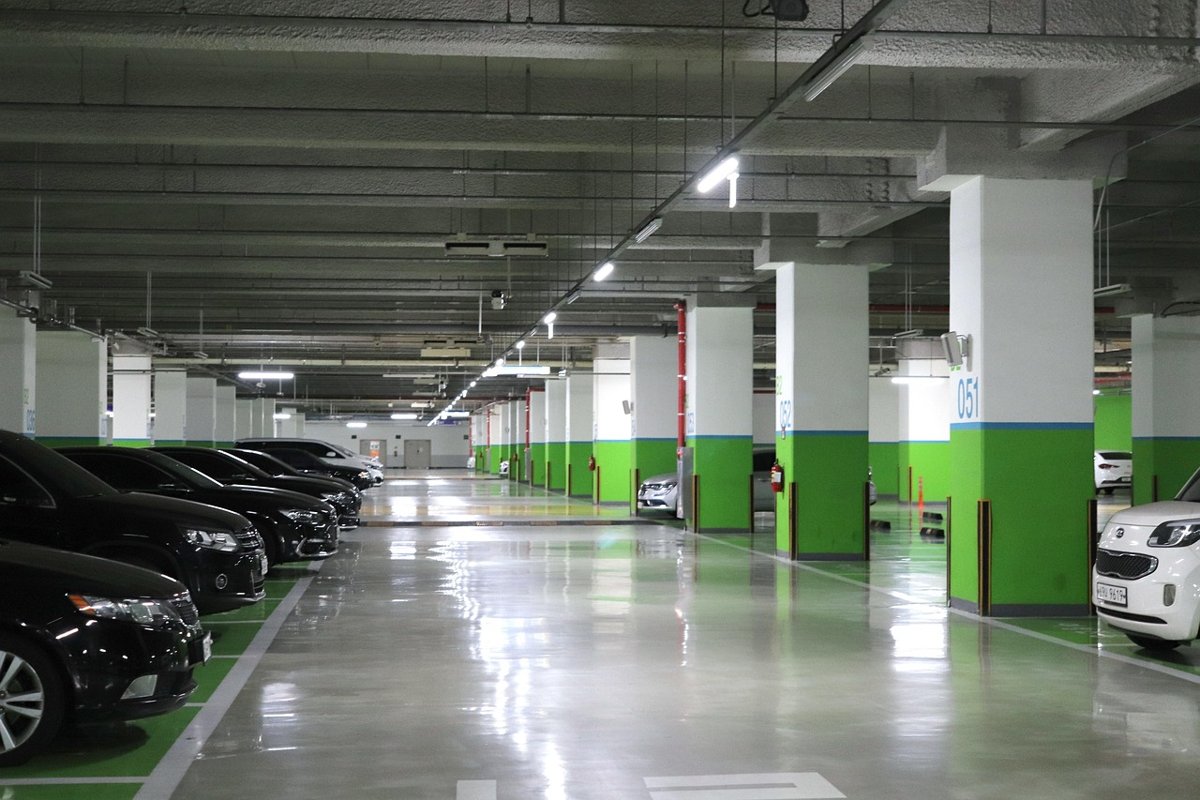
Good installations plan for failure. What happens when the camera cannot read a plate? Usually there is a fallback, such as an intercom, a QR code or a staffed lane. When comparing systems, ask about the read accuracy in poor light and how exceptions are handled, because that is where queues build up.
A university parking office explains how its plate recognition rollout works for drivers.
Bay-level control: locks, sensors and reserved spots
Entry barriers control who gets into a car park, but they do nothing about who parks in a particular bay. That matters for reserved tenant spaces, EV charging bays and pay-per-bay street parking. Bay sensors, either magnetic or camera based, detect whether a space is occupied and feed guidance signs that show how many bays are free on each level.
For physical enforcement, some operators use flap locks that rise under a parked car and lower once the fee is paid. Products such as Snatch BayLock work this way and can run on solar power in open-air lots, which avoids trenching cables to every bay. Bay locks suit sites without a single controlled entrance, such as shophouse rows, where a boom gate is not practical.
Who runs the car park behind the scenes
Technology is only half the picture. Someone has to collect revenue, handle complaints, maintain equipment, issue season passes and reconcile the numbers each month. Building owners often appoint a specialist operator for this. Trade bodies like the International Parking & Mobility Institute publish material on how professional parking management is structured, from staffing to data reporting.
If you are weighing whether to outsource, it is worth reading what a car park operator typically takes on and comparing that list with what your own facilities team can realistically handle. The contract model matters too. Some operators lease the car park and keep the revenue, while others manage it for a fee and pass collections back to the owner.
Privacy, outages and the things that go wrong
Plate data is personal data, so in Malaysia it falls under the Personal Data Protection Act. Ask how long plate images are kept, who can view them, and whether they are shared with anyone outside the operator. Power cuts and network outages also need a plan: barriers should fail in a safe position and there should be a manual way to let cars out. The British Parking Association has codes of practice on fair signage and charging that are a useful benchmark even outside the UK.
A practical step this quarter: stand at your own car park exit at 6 pm on a weekday and count how long each car takes to leave. That single number tells you more about whether the system is working than any brochure.